Ellis Long · 2 September 2026
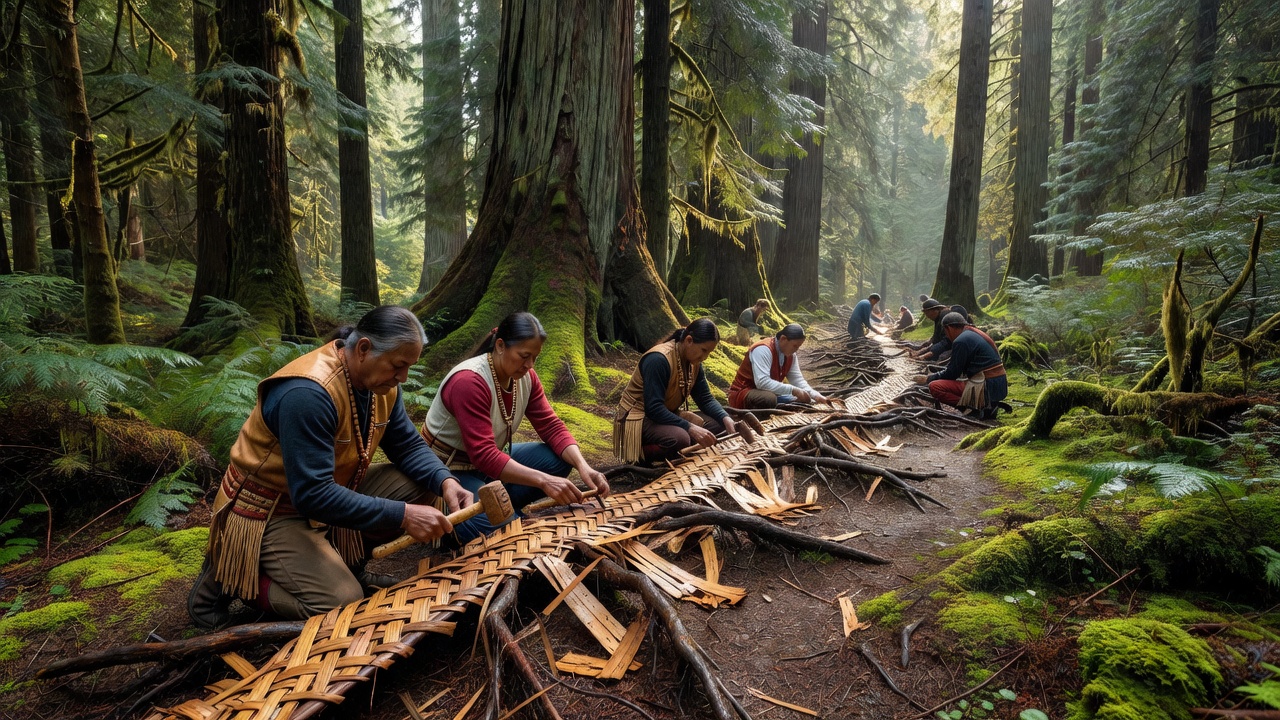
Indigenous communities across the Pacific Northwest are leading efforts to restore ancient trail networks that once connected villages, fishing sites, and ceremonial grounds. These pathways, often described as woven due to their intricate construction using local fibers and natural materials, have been maintained for generations through traditional knowledge. Recent projects in Washington and Oregon focus on clearing overgrowth, reinforcing eroded sections, and replanting native vegetation along routes historically used by tribes including the Yakama, Nez Perce, and Coast Salish peoples.
Traditional Techniques Guide Modern Restoration
Restoration teams employ methods passed down through oral histories, such as weaving cedar bark into trail markers and constructing log bridges secured with woven root systems. These approaches minimize environmental impact while preserving cultural practices. Biologists note that the trails support biodiversity by creating corridors for wildlife movement. Funding comes from tribal grants and federal partnerships aimed at cultural preservation. Elders emphasize that the work reconnects younger generations with ancestral lands, fostering both ecological health and cultural continuity.
Community Benefits and Future Plans
Local economies benefit as restored trails attract educational tourism and support traditional gathering activities. Tribes report increased participation in seasonal harvests along the routes. Expansion plans include mapping additional networks using GPS combined with indigenous cartography. Challenges remain, including invasive species removal and securing long-term access rights. Project leaders stress collaboration with land agencies to ensure trails remain under tribal stewardship. The initiative highlights how maintaining these woven pathways strengthens community resilience and transmits knowledge across generations.