Morgan Griffin · 2 September 2026
In the Pacific Northwest, several Indigenous tribes are actively restoring ancient trail networks that historically facilitated trade, migration, and cultural exchange across diverse terrains. These pathways, often described as woven through forests and mountains, link communities to resources and sacred locations. Efforts combine ancestral knowledge with contemporary methods to revive access and ecological balance.
Historical Importance of the Trails
The networks originated thousands of years ago among groups including the Coast Salish and Nez Perce peoples. They supported seasonal movements for fishing, gathering, and ceremonies while fostering intertribal relations. European settlement fragmented the routes through logging and land restrictions, causing many to become overgrown and forgotten. Oral histories and archaeological findings now guide precise mapping and reconstruction, revealing how these trails sustained both human societies and surrounding ecosystems.
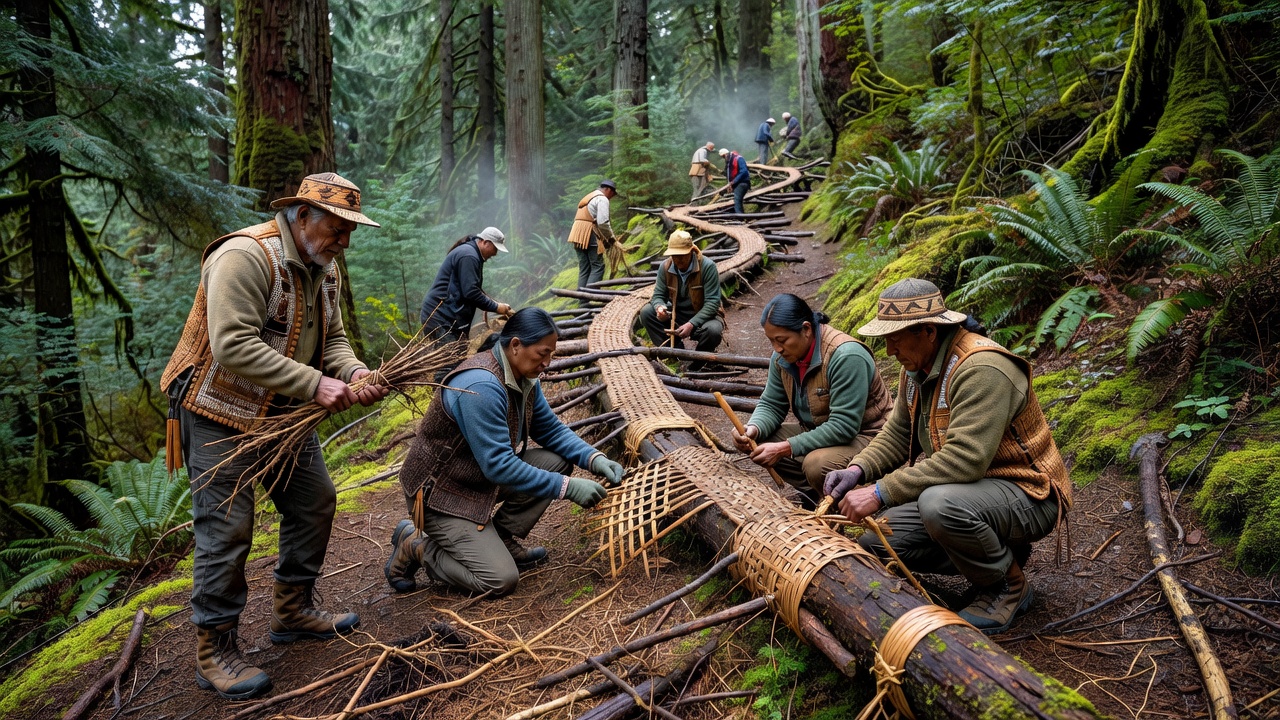
Maintenance traditionally involved collective stewardship, with markers and reinforcements crafted from local materials. Reviving this legacy strengthens cultural identity and transmits knowledge to younger members through hands-on participation.
Contemporary Restoration Initiatives
Modern projects unite tribes with government partners to clear debris, stabilize paths using sustainable techniques, and monitor environmental effects. Over 50 miles have reopened in areas like the Olympic Peninsula, boosting biodiversity, offering educational programs, and creating limited eco-tourism revenue. Climate adaptation strategies draw directly from traditional practices to address erosion and shifting vegetation patterns.
Community workshops focus on well-being benefits and practical skills such as trail marking. Grant funding enables expansion, advancing reconciliation while promoting long-term land stewardship across the region.